
By Tanya Fasnacht Jolliffe, RDN, LD, CIMHP
Have you ever found yourself standing in front of the pantry, reaching for food when you weren’t truly hungry? Maybe it happened after a stressful day, a difficult conversation, a disappointment, or even a celebration. Many people know the frustration of turning to food for comfort, only to be left with feelings of guilt, shame, and defeat.
For years, diet culture has taught us that the answer is more willpower, stricter rules, and greater self-control. But what if the problem isn’t a lack of discipline? What if food isn’t the problem at all?
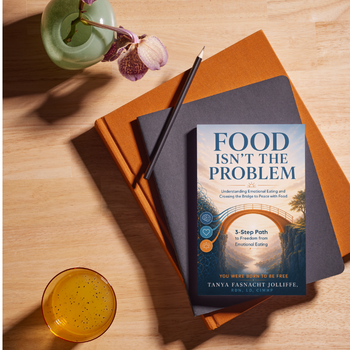
In my new book, Food Isn’t the Problem: Understanding Emotional Eating and Crossing the Bridge to Peace with Food, I invite readers to explore a different perspective. Food is often not the root issue. Instead, emotional eating can be a symptom of deeper struggles, including stress, anxiety, loneliness, fear, anger, sadness, and even joy.
When life feels overwhelming, food can become a coping mechanism. It offers temporary comfort, distraction, or relief. While there is nothing inherently wrong with enjoying food, problems arise when food becomes our primary way of managing emotions.
True healing begins when we move beyond simply asking, “What am I eating?” and begin asking, “What am I feeling?”
Living in Truth Ministries understands that God desires wholeness for every area of our lives. Scripture reminds us that we are wonderfully made and that our bodies are temples entrusted to our care. Yet health is about more than nutrition. It involves our thoughts, emotions, relationships, and spiritual well-being.
Many people carry burdens they have never fully processed. Stress, unresolved hurt, anxiety, and self-criticism can influence our behaviors in ways we may not even recognize. Emotional eating often becomes an attempt to fill needs that food was never designed to satisfy.
The good news is that God’s truth invites us into freedom, not condemnation.
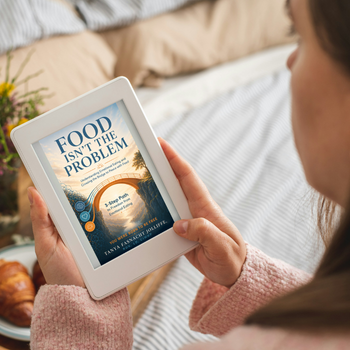
One of the central themes of the book is the image of a bridge. On one side is the cycle of emotional eating, self-judgment, and frustration. On the other side is peace, awareness, self-compassion, and freedom.
Crossing that bridge does not happen through perfection. It happens through understanding.
Readers will learn how to:
- Distinguish between physical hunger and emotional hunger
- Recognize emotional triggers and craving patterns
- Understand why certain foods become comfort foods
- Interrupt unhealthy habits using practical mindset tools
- Develop healthier ways to manage emotional stress
- Build a lasting and peaceful relationship with food
Replacing Shame with Curiosity
One of the most transformative shifts people can make is moving from shame to curiosity.
Instead of asking: What’s wrong with me? We can begin asking: “What am I needing right now?”
That simple change opens the door to greater self-awareness and healing. It allows us to approach our struggles with grace rather than judgment.
If you have ever felt discouraged by repeated dieting attempts, frustrated by emotional eating, or disconnected from your body’s needs, there is hope.
Freedom is possible.
Healing is possible.
Peace with food is possible.
Food Isn’t the Problem offers practical tools, compassionate guidance, and a pathway toward understanding the deeper issues that often drive unhealthy eating patterns. More importantly, it reminds readers that their worth is never determined by a number on a scale or their ability to follow a diet perfectly.
When we begin addressing the whole person, mind, body, and spirit, true transformation becomes possible.
About the Author
Tanya Fasnacht Jolliffe, RDN, LD, CIMHP is a registered and licensed dietitian nutritionist, certified integrative mental health professional, author, speaker, and founder of LIT Wellness Solutions. Through nutrition counseling, wellness coaching, speaking, and writing, Tanya helps individuals and organizations create sustainable change by addressing health from a whole-person perspective.